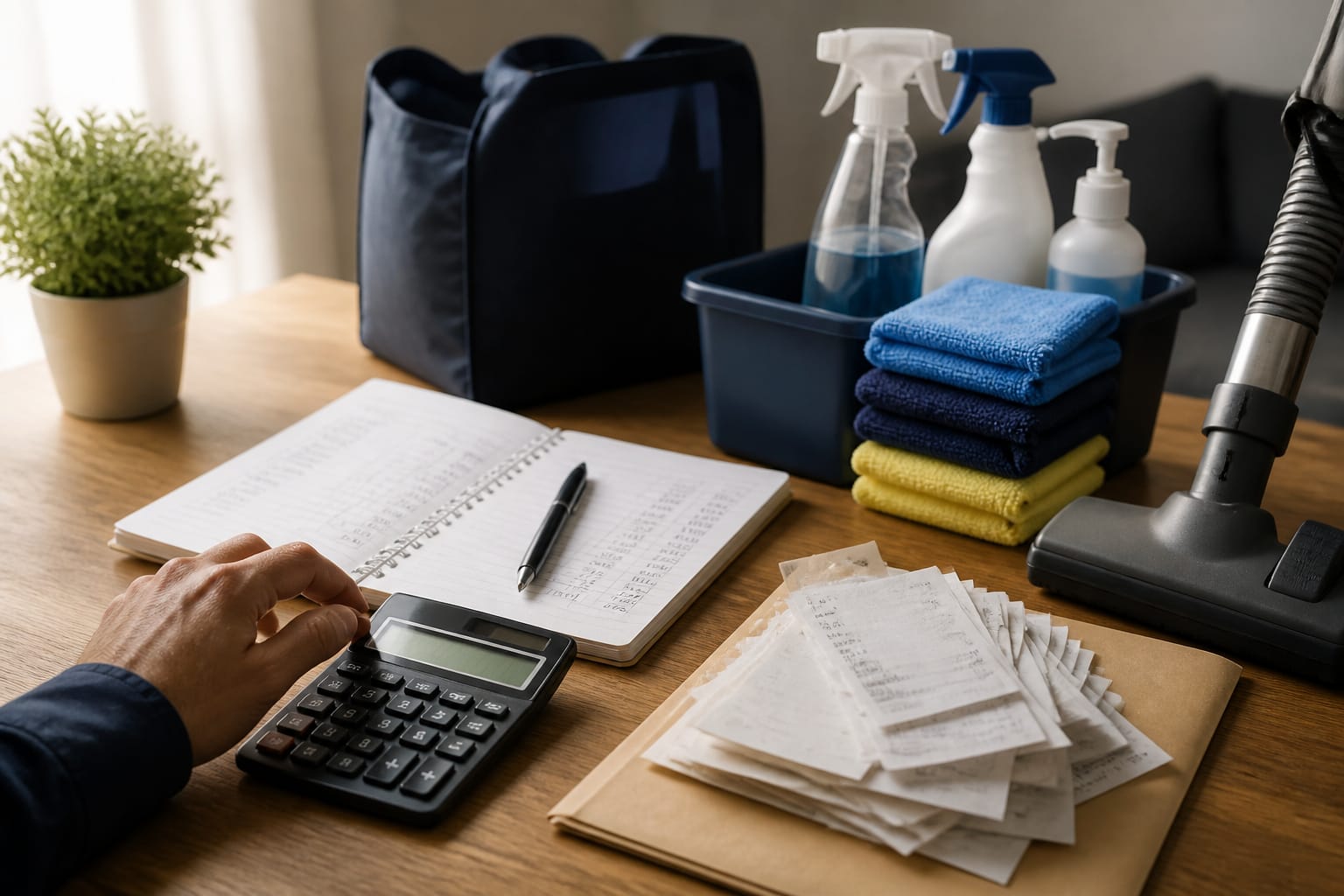
Commercial cleaning can create recurring contract revenue, but the sales and operating cycle differs from residential work. Buyers often expect walkthroughs, written scopes, proof of insurance, consistent service windows and a reliable escalation process. A low bid without production planning can lock a company into months of unprofitable work.
The strongest commercial startups choose a manageable facility niche, understand how long the work should take and write proposals that make the service specification measurable.
Choose a facility segment before chasing every bid
Small offices, medical practices, retail, schools, industrial sites and multi-tenant buildings have different security, scheduling, equipment and compliance needs. Start where your team can understand the environment and build repeatable production standards.
ISSA describes commercial cleaning as a broad professional field covering workplaces and facilities rather than a single uniform service. Your positioning should therefore be more specific than 'commercial cleaning.'
Use the walkthrough as a production study
Document cleanable areas, floor types, restrooms, break rooms, waste volume, touchpoints, access, storage, security, service windows and requested frequency. Ask what is currently failing and what the buyer considers a successful result.
Measure or verify relevant square footage when it matters, but do not let square footage replace operational observation.
Price from labor, then validate the unit rate
ISSA notes that square-foot pricing is commonly used as a commercial-cleaning foundation while building type, frequency and complexity influence actual rates. Use it as a reasonableness check rather than a substitute for cleaner-hour estimates.
Calculate expected labor, fully loaded labor cost, supplies, equipment, periodic work, travel and supervision. Then determine the contract price needed to cover overhead and required profit.
Write a precise scope of work
Separate nightly or regular tasks from weekly, monthly, quarterly and annual tasks. State frequencies rather than vague terms such as 'as needed' whenever possible.
Clarify consumables, floor care, windows, high dusting, carpet work and other services that can otherwise become unplanned scope.
Make the proposal easy to compare
Commercial buyers need a clear service schedule, scope, price, assumptions and terms. Avoid hiding key exclusions in a dense paragraph.
Prepare for insurance and safety questions
Clients may request certificates of insurance, specific coverage limits or safety documentation. Requirements vary by contract and jurisdiction, so confirm them before bidding rather than discovering them after award.
OSHA highlights chemical, equipment and physical-environment hazards in the cleaning industry. Training, labels, protective practices and site-specific procedures should be part of operations, not just compliance paperwork.
Win clients with targeted prospecting
Build a prospect list by facility type and geography. Property managers, office managers and facility decision makers respond better to a specific solution than a generic offer to beat the current price.
Use walkthrough requests, local relationships, referrals and disciplined follow-up. Track proposal win rate and reasons for loss so the sales process improves.
Manage the contract after the sale
Recurring commercial work needs inspections, issue tracking, supply control, staffing coverage and periodic account reviews. Record actual labor against the estimate early; a contract that overruns in month one usually will not fix itself.
Use data to adjust training, route design or scope conversations before small issues become chronic margin loss.
Final takeaway
Commercial cleaning becomes attractive when the contract is won with a scope and labor model the company can actually deliver.
Frequently asked questions
- Do commercial cleaners charge by square foot?
- Many use square-foot rates as a pricing reference, but the final price should reflect labor, frequency, facility type, complexity and other costs.
- Do I need a contract for commercial cleaning?
- Written agreements and scopes are common and useful for clarifying services, frequency, price and responsibilities. Have important legal terms reviewed for your jurisdiction and situation.
- How do I get my first commercial cleaning client?
- Target a narrow facility type, build a local prospect list, ask for walkthroughs, use referrals and partnerships, and follow up with clear proposals.
- What is the biggest pricing mistake in commercial cleaning?
- Bidding from a competitor or market rate without estimating the actual labor and service specification can create a contract that is busy but unprofitable.
Sources and further reading
Editorial note: This guide is written for U.S. cleaning business owners and founders. It provides general business information, not individualized legal, tax, insurance or accounting advice.